Showing posts with label hanfu. Show all posts

Friday, November 7, 2025

Heian Kimono that has the Celestial look

 we'd like to introduce two outfits that are especially suitable for early summer and the hotter months:


Sukashi-ori no Hitoe (透かし織り単衣): A very thin, lightweight garment with a delicate, almost heavenly appearance.

Kōchigi (小袿): An elegant and graceful traditional outer robe.


 Understanding the Different Parts of Traditional Clothing

For beautiful, refreshing colors perfect for traditional dance performances, and lightweight, sheer hitoe garments, you can leave it to Gagaku Kikuri!


The  kōchigi outfit featured in this article consists of four pieces:


Kōchigi (小袿): The white outer robe worn over the other garments. It is the top layer in the photograph.

Hitoe (単衣): The light blue robe worn underneath the kōchigi.


Shirokosode (白小袖): A white undergarment worn beneath the hitoe. It is also called hakui (白衣).


Hibakama (緋袴): Bright red traditional trousers that extend down to the ankles.


こうちぎ)」「狩衣(かりぎぬ)


What Is a Kōchigi?

Gagaku Kikuri also makes specially tailored kōchigi for traditional dance performances. These garments can be made with wider visible sections of the inner lining (omeri) and the intermediate layer (nakabe).


A kōchigi has three main parts:


1. Outer fabric (表の生地): The main fabric is white, decorated with patterns in two colors: pale purple and cream.


2. Omeri (おめり): This is the colored inner lining, shown in light green in the photograph. Normally, about 1 cm of this lining is visible along the edge of the garment. However, this customer requested a little more, so approximately 1.5 cm was left visible.


3. Nakabe (中陪): This is an additional layer placed between the outer fabric and the inner lining. It creates a beautiful layered color effect known as Kasane no Irome (襲色目).


This traditional color combination was enjoyed by nobles and other high-ranking people in ancient Japan. By layering different colors, they created beautiful color gradients and combinations.


When people think about clothing from the Heian period, around 1,000 years ago, they usually imagine the famous jūnihitoe.


However, the jūnihitoe was actually formal clothing worn by women on special occasions. Even during the Heian period, noblewomen, especially those of high status, often wore simpler uchiki robes as their everyday indoor clothing.


There are several interpretations of what exactly a kōchigi is.


One explanation is that it is a slightly smaller version of an uchiki, worn over another uchiki.


In modern traditional clothing, the term kōchigi is also used for a robe with an additional nakabe layer, which creates the beautiful layered color effect known as Kasane no Irome.


 What Is a Sheer-Woven Hitoe?


 its Sukashi-ori Hitoe, a lightweight and comfortable garment made from sheer fabrics such as:


Ro (絽): A lightweight, loosely woven fabric with small open spaces in the weave.


Sha (紗): A very sheer, breathable fabric that allows air to pass through.


These fabrics make the hitoe light, airy, and comfortable to wear.


Summer was hot even during the Heian period!


During the hot summer months, noblewomen wore these sheer hitoe garments with long hakama trousers to stay as cool and comfortable as possible.


It makes sense that they wanted clothing that was as light and breathable as possible!


Today, these lightweight garments are not just useful in summer. Their comfortable fit, ease of movement, and lovely pastel colors make them enjoyable to wear throughout the year.


Did Women Wear the Jūnihitoe Even in Summer?

 Did Women Wear the Jūnihitoe Even in Summer?


When we think of clothing from the Heian period, we often imagine the jūnihitoe (十二単), a traditional outfit made by layering many kimono-like garments.

If you have ever tried wearing a jūnihitoe, you might wonder, "Did women really wear something this heavy and hot even in summer? They must have been at risk of heatstroke!"

However, the jūnihitoe was formal clothing worn only on special occasions, such as ceremonies or when appearing before the emperor or other important people. Women wore much simpler clothing in their everyday lives.

Sei Shōnagon wearing a jūnihitoe at the Ishiyama-dera Museum for the 2024 NHK historical drama "Hikaru Kimi e."

The women who regularly wore the jūnihitoe were mainly women who served the emperor, members of the imperial family, and high-ranking nobles. These women were known as nyōbō (女房), or ladies-in-waiting.

However, these women made up only a very small part of society. Most noblewomen spent their daily lives wearing lighter clothing called uchiki (袿). It seems that many of them never wore a jūnihitoe even once in their entire lives.


What Did Heian Women Wear Every Day?

Murasaki Shikibu wearing an uchiki at the Uji Historical Drama Exhibition for "Hikaru Kimi e" (2024).

The everyday clothing worn by noblewomen was called uchiki (袿). It was a type of outer robe.

The outfit was made by layering a small undergarment called a kosode, one or two lightweight robes called hitoe, and finally an uchiki on top.


The layers of the outfit (from outermost to innermost):

Uchiki: An outer robe with a white and wisteria-colored background and a pattern of three-colored flowers.


Two hitoe: One dark pink layer and one light pink layer.

Kosode: A light blue undergarment.

Hakama: Traditional trousers or a divided skirt worn underneath.

The uchiki was much lighter and more comfortable to wear than the jūnihitoe. However, even this outfit must have felt hot in the middle of summer!

So, what did women wear during the hottest months of the year?


What Did Heian Women Wear in Summer?


Summer fabrics such as sha and ro, available in various colors and patterns.

Have you heard of a fabric called sha (紗)? It is still used today to make summer kimono.

Sha is a lightweight, see-through fabric that allows air to pass through, making it ideal for hot weather.

During the hottest part of summer, women made their hitoe robes from this fabric. They did not wear a kosode underneath. Instead, they wore the thin, sheer sha robe directly against their skin. Of course, they still wore their hakama underneath!


Inspired by illustrations from The Tale of Genji.


In The Tale of Genji, the chapter called "Tokonatsu" (常夏) describes a young noblewoman named Kumoi no Kari taking a daytime nap while wearing only a sheer hitoe robe.


In another chapter, "Yūgiri" (夕霧), illustrations from The Tale of Genji Picture Scrolls show Kumoi no Kari wearing a transparent robe through which her arms can be seen.


These scenes give us a glimpse of how women in the Heian period tried to stay cool and what they wore during the hottest months of the year.


Enjoying Traditional Sheer-Woven Summer Clothing Today


In the 2024 NHK historical drama Hikaru Kimi e, the famous poet Izumi Shikibu, who was known for her many romantic relationships, appeared wearing a beautiful, bright blue summer outfit.

Of course, it would not have been practical for a modern television drama to show her wearing the sheer robe directly against her bare skin.

Instead, her costume was adapted for modern audiences. It featured a kosode with the sleeves removed, a long scarlet hakama, and a light blue, sheer hitoe robe worn on top.


The result was a particularly striking and memorable summer outfit.

This style of summer clothing attracted a lot of attention. However, Kikuri had already started making and selling similar garments in 2023, before the drama was broadcast.

They created a garment called the Sukashi-ori Hitoe (透かし織り単衣), meaning a lightweight, sheer-woven summer robe, for customers who wanted to enjoy traditional Heian-style clothing even during the hot summer months.

It has since become very popular!


Monday, November 11, 2019

hanbok


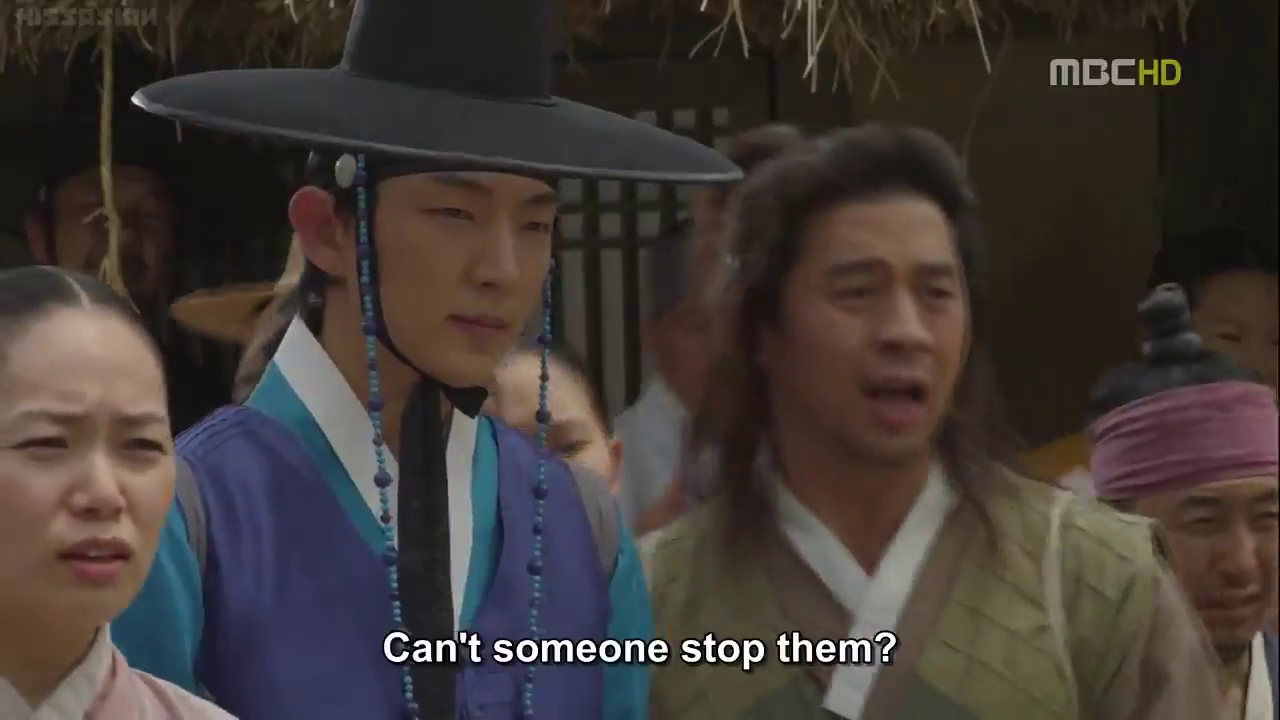
arang and the magistrate

arang and the magistrate, Yeon Woo-jin as Joo-wal, 阿娘使道傳,아랑사또전, hanbok men, hanfu, 연우진,
汉服


arang and the magistrate, Yeon Woo-jin as Joo-wal, 阿娘使道傳,아랑사또전, hanbok men, hanfu, 연우진,汉服

arang and the magistrate, Yeon Woo-jin as Joo-wal, 阿娘使道傳,아랑사또전, hanbok men, hanfu, 연우진,汉服


arang and the magistrate, Yeon Woo-jin as Joo-wal, 阿娘使道傳,아랑사또전, hanbok men, hanfu, 연우진,汉服


arang and the magistrate, Yeon Woo-jin as Joo-wal, 阿娘使道傳,아랑사또전, hanbok men, hanfu, 연우진,汉服

arang and the magistrate, Yeon Woo-jin as Joo-wal, 阿娘使道傳,아랑사또전, hanbok men, hanfu, 연우진,汉服

arang and the magistrate, Yeon Woo-jin as Joo-wal, 阿娘使道傳,아랑사또전, hanbok men, hanfu, 연우진,汉服


arang and the magistrate, Yeon Woo-jin as Joo-wal, 阿娘使道傳,아랑사또전, hanbok men, hanfu, 연우진,汉服

STUNNING EMPEROR'S CLOTHES


Yellow Chinese Emperor Costume